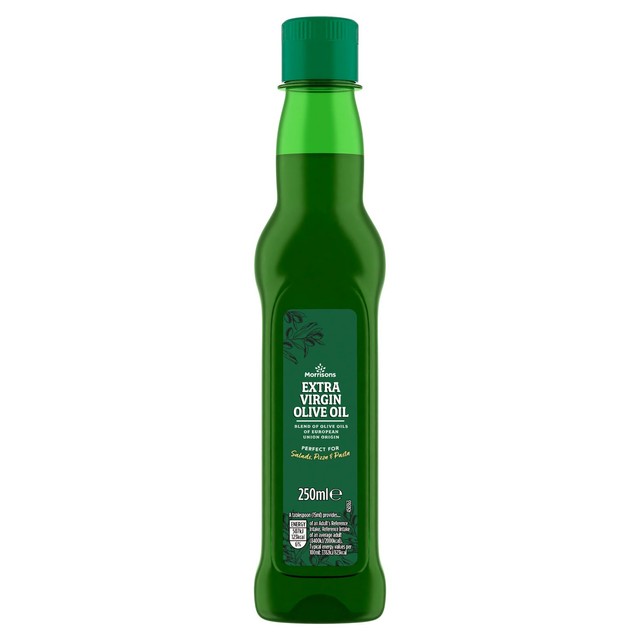
Morrisons Extra Virgin Olive Oil
Morrisons
Swap: Morrisons Extra Virgin Olive Oil
Label check: Excellent (88)
Protein: 0g per 100g
Morrisons
Published 29 October 2026
The main seed oils on UK food labels are rapeseed (canola), sunflower, soya, corn, cottonseed, safflower, grapeseed and rice bran oil. Seed oils are not banned in the UK, so you'll find them in lots of everyday food.
See all the swaps free - make your free accountThis guide gives you the full list, the other names they hide behind, and the oils and fats that aren't seed oils.
These are the eight oils most people mean when they say "seed oils":
Our rules also leave out these, even though they are not all seed oils:
Seed oils can show up in a few ways:
No. All the common seed oils are allowed in UK food. Rapeseed is grown widely in the UK.
You may see posts online saying they are banned. They are not. If a packed food uses one, the label must name it.
People give different reasons. Some want fewer refined oils in their food. Some prefer oils made the old way, like pressed olive oil or butter. Some just want shorter lists. Others are happy to eat them.
We don't make claims either way. We just list foods that pass our rules, and our rules leave out seed oils.
These are not seed oils. Our rules allow all of them:
Olive oil from different shops:
Morrisons
Swap: Morrisons Extra Virgin Olive Oil
Label check: Excellent (88)
Protein: 0g per 100g
Morrisons

Waitrose
Swap: Waitrose Extra Virgin Olive Oil
Label check: Excellent (88)
Protein: 0g per 100g
Waitrose

Sainsbury's
Swap: Sainsbury's Olive Oil
Label check: Excellent (88)
Protein: 0.5g per 100g
Sainsbury's

Italiamo
Swap: Italian Extra Virgin Olive Oil Cold Pressed
Label check: Excellent (88)
Protein: 0g per 100g
Lidl
Sprays and air fryer oil:
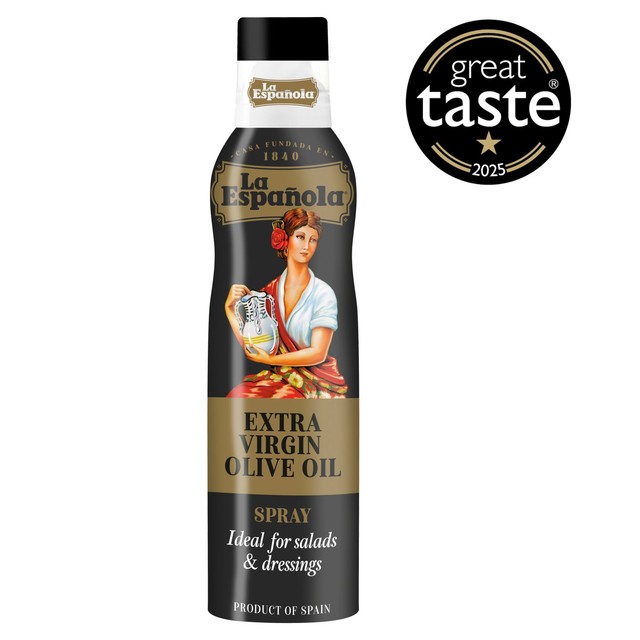
La Española
Swap: La Española Extra Virgin Olive Oil Spray — instead of Frylight 1 Cal Olive Oil Cooking Spray
Label check: Excellent (92)
Ocado

A spread made with butter and olive oil:
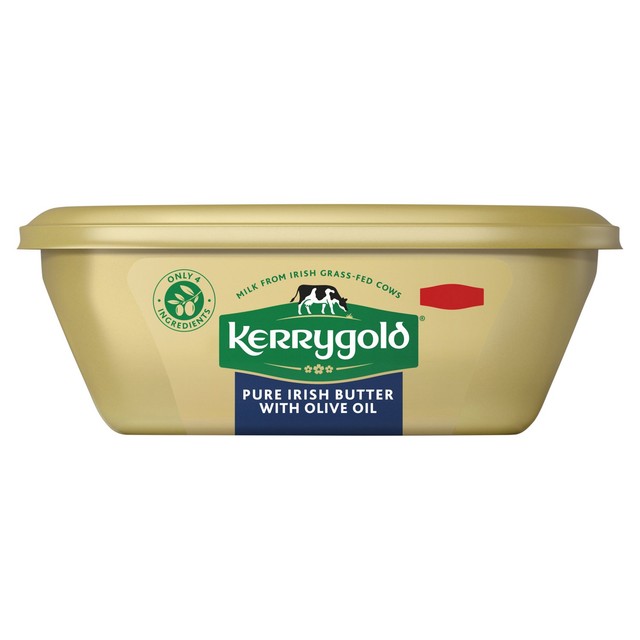
Kerrygold
Swap: Kerrygold Spreadable Olive Oil 200g — instead of Blended vegetable or sunflower oil spreads
Label check: Excellent (88)
Protein: 0.4g per 100g
Morrisons
Ghee and animal fats:
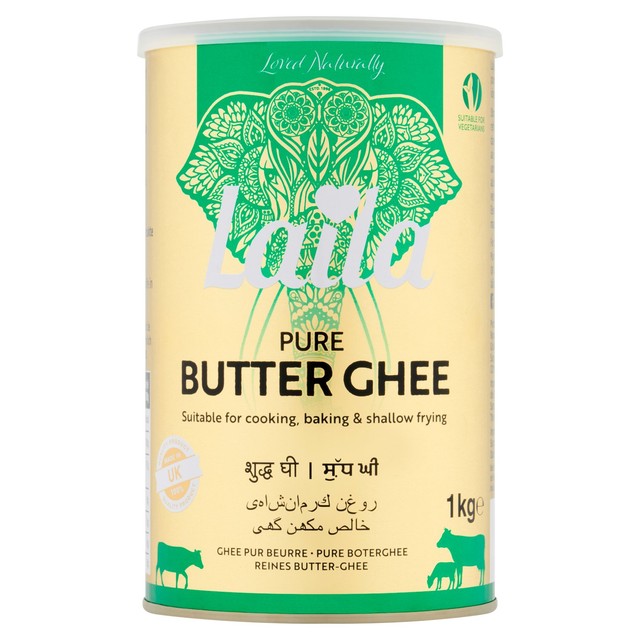
Laila
Swap: Laila Ghee — instead of Blended vegetable or sunflower oil spreads
Label check: Excellent (88)
Protein: 0g per 100g
Morrisons
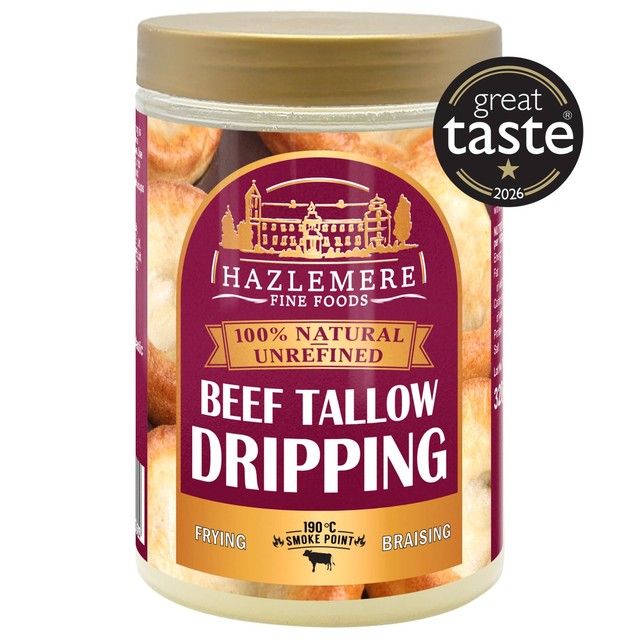
Hazlemere
Swap: Hazlemere Beef Tallow Dripping — instead of Blended vegetable or sunflower oil spreads
Label check: Excellent (88)
Protein: 0.4g per 100g
Morrisons
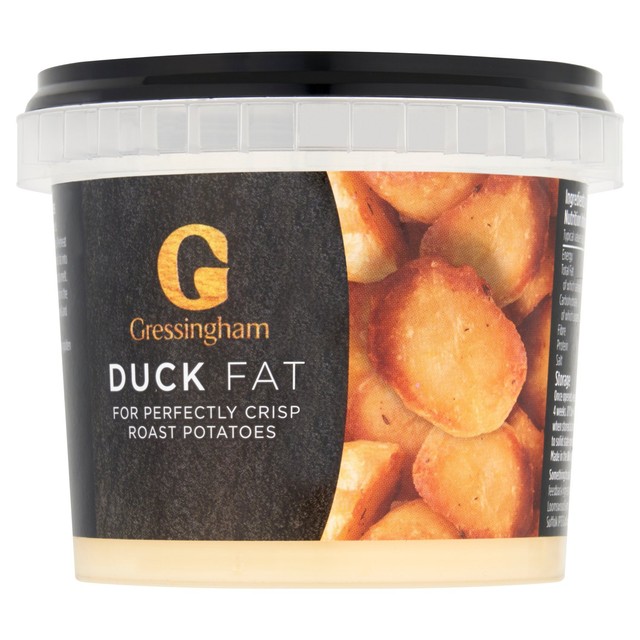
Gressingham
Swap: Gressingham Duck Fat 250g — instead of Blended vegetable or sunflower oil spreads
Label check: Excellent (88)
Protein: 0.5g per 100g
Morrisons
See the full cooking oils and fats without seed oils list.
Seed oils turn up in more places than you might think:
Tip: whole seeds are fine. "Sunflower seeds" or "pumpkin seeds" are not seed oils.
Try our paprika sweet potato fries, roasted in olive oil.
Are seed oils banned in the UK? No. They are allowed, and the label must name them.
Is rapeseed oil a seed oil? Yes. It is pressed from rapeseed. Canola is a type of rapeseed.
Is olive oil a seed oil? No. It comes from olives, which are a fruit.
Is coconut oil a seed oil? Most seed oil lists don't count it. It comes from the coconut flesh.
Is "vegetable oil" a seed oil? In the UK, it is often rapeseed oil. On food labels, the plants must be named in brackets.
Not sure which oil is in your food? Take a photo of the label in The Better Basket, and we'll check it for you.