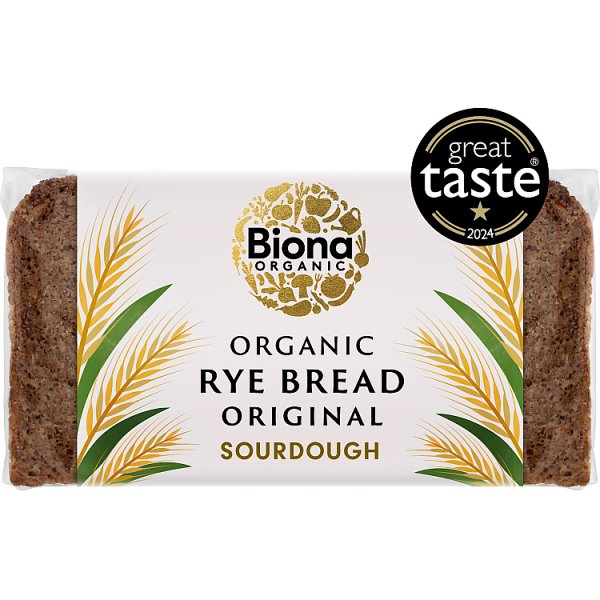
Biona Organic Rye Bread
Biona
Swap: Biona Organic Rye Bread — instead of Kingsmill 50/50 Medium Bread
Label check: Excellent (92)
Waitrose
Published 29 October 2026
E471 is the code for mono- and diglycerides of fatty acids. It is an emulsifier, which means it helps fat and water mix, and you'll often see it in bread, cakes, ice cream and spreads.
See all the swaps free - make your free accountIt is on the FSA's list of approved additives in the UK. This guide explains what it is made of, where it shows up, and how to find food without it.
E471 does a few jobs:
You'll find it in lots of packed foods. These are the most common:
E471 is made from fats and glycerol. The fats are broken down and joined with glycerol to make new compounds. These are the "mono-" and "diglycerides" in the name.
The fat can come from plants or from animals. EFSA, the European food safety body, says this in its review of E471. Many makers use plant fats, such as palm oil or other vegetable oils.
It can be either. It depends on the fat it was made from. Most labels don't say which.
If you need to know:
UK rules say each additive must be shown with what it does, then its name or E number. So you may see any of these:
They all mean the same thing.
You may also see other emulsifiers nearby. E472e is a close relative of E471. E481 (sodium stearoyl-2-lactylate) and E322 (lecithins) are common in bread too.
People give different reasons. Some avoid emulsifiers in general. Some want to know the fat source for religious or diet reasons. Some just want shorter lists. Others don't mind.
We don't make claims either way. We just show what's on the label. Our rules leave out E471 and E472.
Most sliced bread in UK shops has an emulsifier. These loaves don't. They are made with rye or spelt, water, salt and sometimes yeast.
Biona
Swap: Biona Organic Rye Bread — instead of Kingsmill 50/50 Medium Bread
Label check: Excellent (92)
Waitrose

M&S
Swap: M&S Wholegrain Sliced Rye Bread
Label check: Excellent (88)
Protein: 5g per 100g
M&S

Hobbs House Bakery
Swap: Hobbs House Bakery Organic Light Rye Sourdough — instead of Sliced white bread with preservatives and seed oils
Label check: Excellent (88)
Protein: 3.9g per 100g
Hobbs House Bakery · online

Hobbs House Bakery
Swap: Hobbs House Bakery Organic Spelt Loaf — instead of Sliced white bread with preservatives and seed oils
Label check: Excellent (88)
Protein: 7.5g per 100g
Hobbs House Bakery · online

Waitrose
Swap: Waitrose Spelt Sourdough Bread
Label check: Excellent (88)
Protein: 9.4g per 100g
Waitrose
Rye crispbread is another option:

Ryvita
Swap: Ryvita Original Crispbread — instead of Jacob's Original Cream Crackers
Label check: Excellent (92)
Tesco
See our bread without emulsifiers list.
Many spreads use E471. Butter doesn't. Butter is just cream, and sometimes salt.
This spread is made from butter and olive oil, with no emulsifier:
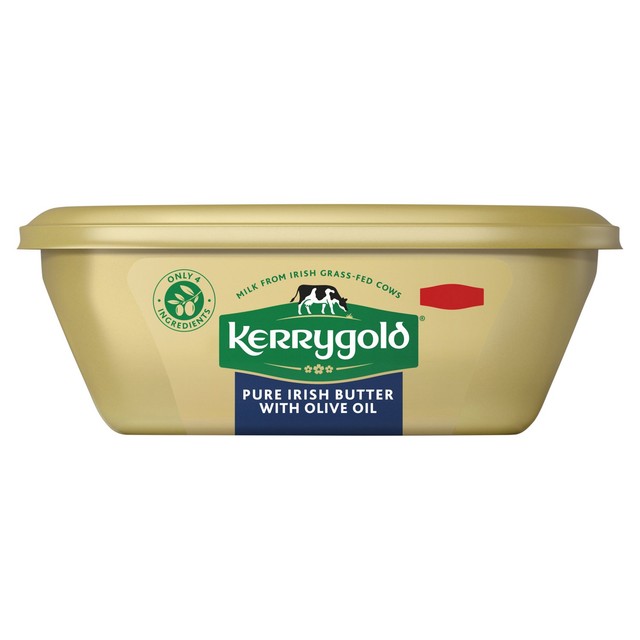
Kerrygold
Swap: Kerrygold Spreadable Olive Oil 200g — instead of Blended vegetable or sunflower oil spreads
Label check: Excellent (88)
Protein: 0.4g per 100g
Morrisons
And here is plain butter:

Waitrose
Swap: Waitrose Duchy Organic English Unsalted Butter
Label check: Excellent (88)
Protein: 0.6g per 100g
Waitrose
See our butter and ghee list.
Some small brands make ice cream with just cream, milk, eggs and sugar. We don't have any in our catalogue yet, because our rules also leave out added sugar.
You can make a quick frozen treat at home. Blend frozen banana with a spoon of Greek yoghurt.
Tip: bakery bread made to be eaten in a day or two often has no emulsifiers. Ask your baker.
Our list of chocolate without emulsifiers can help with treats too.
Try our cheese and onion sourdough toastie. Use a sourdough loaf with a short list.
What is E471 made from? Fats and glycerol. The fat can come from plants or animals.
Is E471 made from pork? It can be made from animal fat, and that could include pork. Many makers use plant fats. Look for a vegan, vegetarian or halal mark, or ask the maker.
What is E471 used for in bread? It helps bread stay soft for longer and gives a smoother crumb.
Is E471 allowed in the UK? Yes. It is on the FSA's list of approved additives.
Want to check a pack for E471? Take a photo of the label in The Better Basket, and we'll find every emulsifier.